
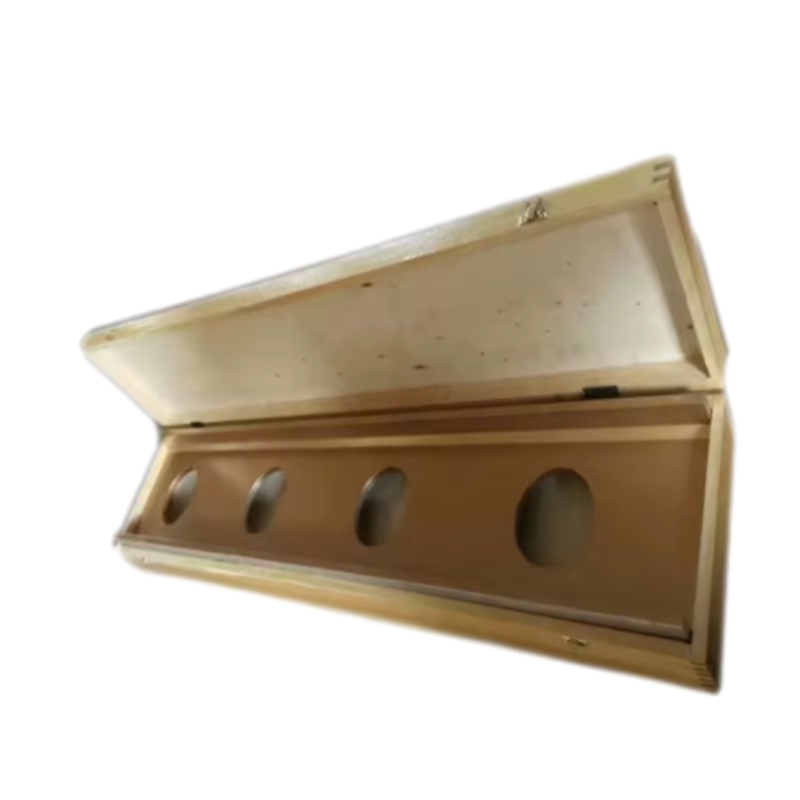
12 mm toughened glass price
Choosing the Right Gate Valve Supplier A Comprehensive Guide When it comes to industrial applications, the importance of a reliable gate valve cannot be overstated. As crucial components in controlling fluid flow, gate valves are designed to open and close fluid pathways. Choosing the right gate valve supplier is paramount for ensuring quality, performance, and timely delivery. In this article, we will explore the key factors to consider when selecting a gate valve supplier, along with the benefits of partnering with a reputable company in this field. 1. Quality and Certification First and foremost, the quality of the gate valves should be a primary consideration. A reputable supplier should provide products that meet or exceed industry standards. Certifications such as ISO 9001, API 602, and others relevant to the industry are indicators of a supplier's commitment to quality. It is advisable to inquire about the materials used in manufacturing the valves, as well as the testing processes they employ to ensure reliability and durability. 2. Diversity of Product Range A good gate valve supplier should offer a diverse range of products to cater to various applications. This includes different sizes, materials (such as stainless steel, cast iron, and bronze), and pressure ratings. A varied product line can simplify your procurement process, allowing you to source multiple types of valves from a single supplier. This not only saves time but also fosters a stronger supplier relationship. 3. Technical Expertise and Support The complexity of industrial applications often necessitates expert knowledge. When selecting a gate valve supplier, consider their level of technical expertise. Suppliers should have experienced engineers who can provide valuable insights and recommendations tailored to your specific needs. Additionally, access to technical support during installation and maintenance can be a significant advantage. 4 . Lead Time and Delivery Reliability gate valve supplier In the manufacturing world, time is often of the essence. Delays in the supply chain can lead to costly downtimes. When evaluating potential gate valve suppliers, inquire about their lead times and delivery reliability. Suppliers with streamlined operations and efficient logistics can help ensure that you receive your products on time, allowing you to meet production schedules without interruptions. 5. Customer Reviews and References Research plays a vital role in finding a trustworthy supplier. Look for customer reviews and testimonials that can provide insight into the supplier’s reputation and service quality. An established supplier should be willing to provide references from previous clients. Listening to the experiences of others can help you make a more informed decision. 6. After-Sales Support and Warranty After-sales service can enhance the value of your investment. A good gate valve supplier will offer a comprehensive warranty on their products, providing peace of mind. Furthermore, inquire about their after-sales support, including maintenance services, replacement parts availability, and assistance with any issues that may arise after the purchase. 7. Pricing Consideration While price should not be the sole deciding factor, it is essential to consider it in conjunction with quality and service. Cheap valves from an unreliable supplier may end up costing more in repairs and replacements over time. Seek quotes from multiple suppliers and compare them, ensuring you weigh the value against the cost to find a supplier that offers the best overall proposition. Conclusion Partnering with the right gate valve supplier is integral to your operational success. By prioritizing quality, product range, expertise, delivery reliability, customer feedback, after-sales support, and pricing, you can make an informed choice that meets your industrial needs. In today’s competitive market, establishing a strong relationship with a reliable supplier will not only enhance your efficiency but also significantly contribute to the sustainability of your operations. Make your selection wisely, and enjoy the benefits of seamless fluid control in your applications.
about
12 mm toughened glass price
Understanding the Runout Tester A Key Tool in Precision Measurement In the world of manufacturing and machining, precision is paramount. Engineers and technicians constantly strive to ensure that every component meets strict tolerances and specifications. One of the critical factors in achieving this level of accuracy is the measurement of runout, a term that describes how much a rotating part deviates from its ideal path. To effectively measure runout, professionals rely on a specialized instrument known as a runout tester. A runout tester, also referred to as a dial indicator, is designed to measure the amount of deviation or “runout” of a rotating part, such as a shaft or a wheel . This tool is essential for ensuring that machine components function smoothly and efficiently. Runout can occur due to various reasons, including improper installation, wear and tear, or manufacturing defects. When a part has excessive runout, it can lead to vibration, increased wear, and ultimately, decreased performance or failure of the machinery. The operation of a runout tester is relatively straightforward. The device consists of a dial gauge mounted on a stand or fixture that holds the indicator's probe in contact with the part being tested. As the part rotates, the probe tracks the movement and displays the readings on the dial. The technician can observe the maximum deviation, or runout value, which is typically measured in thousandths of an inch or millimeters. Accurate readings allow for adjustments to be made to the component, ensuring that the assembly operates within acceptable limits. There are generally two types of runout total indicator reading (TIR) and axial runout. TIR measures the total variation in diameter as the part rotates, providing a comprehensive view of the runout condition. Axial runout, on the other hand, focuses on the movement along the rotational axis, which is critical for components that must align precisely with each other. Understanding both forms of runout helps manufacturers optimize their designs and assemblies. runout tester Runout testing is not just limited to rotating machinery; it plays a vital role in various industries, including automotive, aerospace, and manufacturing. In the automotive sector, for instance, runout testing is crucial for components like brake rotors and wheel hubs. Excessive runout in these parts can lead to uneven wear, decreased braking efficiency, and potentially dangerous driving conditions. Similarly, in the aerospace industry, ensuring precise runout in rotor systems and landing gear is critical for safety and performance. In recent years, advancements in technology have also paved the way for more sophisticated runout measurement devices. Digital indicators and laser measurement systems provide enhanced accuracy and ease of use. These innovations allow engineers to quickly assess runout levels without the need for extensive manual calculations, further streamlining the quality control process. Despite technological advancements, the fundamental principles of runout testing remain the same. Accurate measurement is essential for identifying defects early in the manufacturing process, preventing costly downtime, and improving overall product quality. As industries continue to advance towards greater automation and precision manufacturing, the role of the runout tester will remain increasingly important. In conclusion, the runout tester is an indispensable tool in the realm of precision measurement. By identifying and correcting runout, manufacturers can enhance the reliability and performance of machinery and components. As technology evolves, the methods of testing runout will become even more advanced, but the core objective will remain unchanged to achieve the highest level of precision in manufacturing processes. With a continued focus on quality, the runout tester will play a crucial role in driving innovation and excellence in industries worldwide.
-

High quality industrial productsagement

High quality industrial products
View Details -

Meet the diverse needs of customers

Meet the diverse needs of customers
View Details -

Strict quality control

Strict quality control
View Details -

Top raw materials

Top raw materials
View Details -

Trusted supplier

Trusted supplier
View Details
Our application
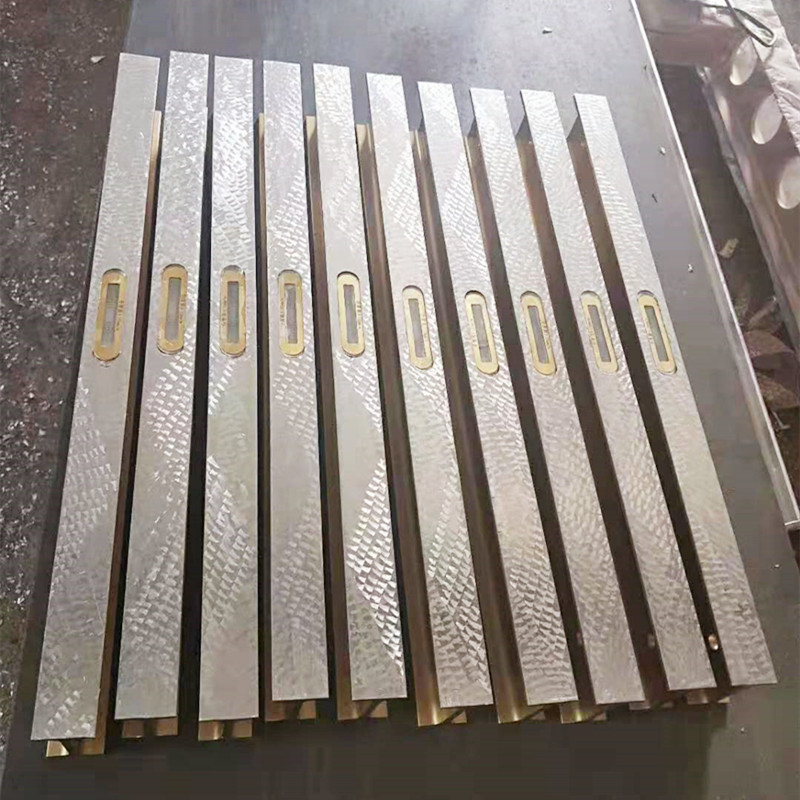

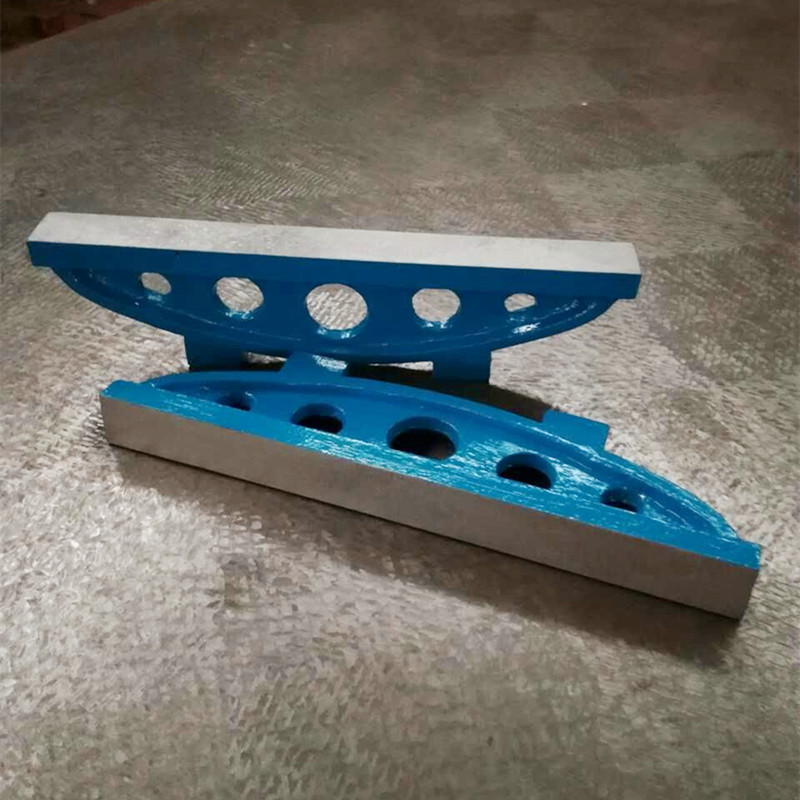

news and information

Válvula de globo com 2% de eficiência em sistemas hidráulicos industriais
Válvula de Bola de 2” x 1” x 2” Uma Solução Eficiente para Controle de Fluxo As válvulas têm um pape
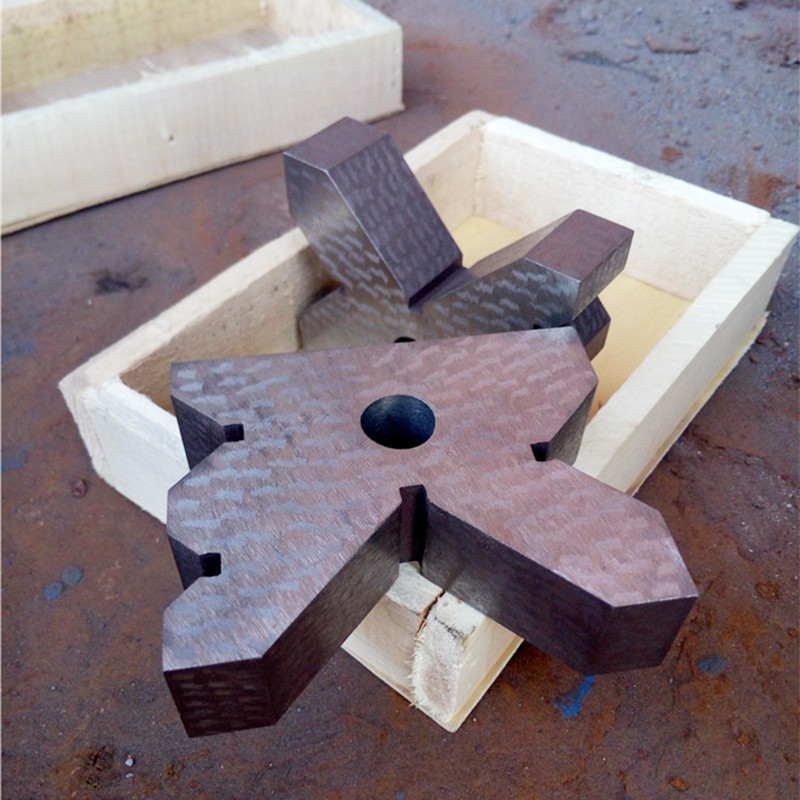
using v blocks
Utilizing V Blocks A Comprehensive Guide V blocks are essential fixtures in machining and manufactur
Wasserdrückregelventil - Effiziente Steuerung für Ihre Wasserversorgung
Druckregelventile für Wasseranwendungen Druckregelventile spielen eine entscheidende Rolle in der Wa
 English